Mourning jewellery design is separated by religious piety and values. Since the Protestant Reformation in 1517, the split between the Catholic and Protestant interpretations of death were distinguished by the values of ‘memento mori’ (‘remember you will die’). Showing the desecration of the body and the constant design reminder in jewellery and art that death… Continue reading French Neoclassical Male Mourning Ring
Tag: miniature
Neoclassical Mourning Locket & Royalty, 1821
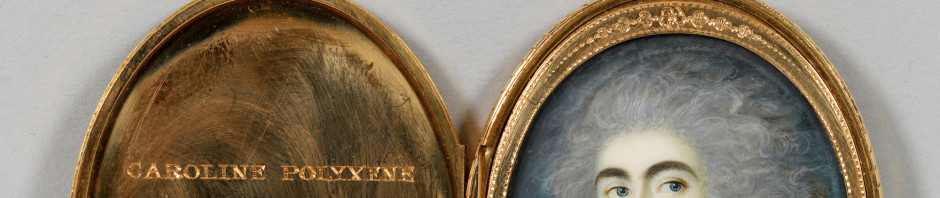
Having privilege in wealth is not required for mourning jewels, but it certainly helps. The range of quality in bespoke jewels is only limited by resource accessibility and wealth. For royalty, the quality tends to be of the highest level and these are the best jewels to identify for their specific time and age. This… Continue reading Neoclassical Mourning Locket & Royalty, 1821
Mourning Jewels: How They Were Worn, Part 2
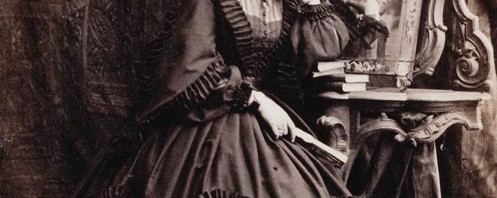
The wearing of 18th century mourning jewellery set the template for numerous revivals through to the 20th century. The 19th century was the catalyst to popularise the mourning industry so much so that it created its own industry and became a part of popular fashion. Much of our modern understanding of Western religious and social ceremony comes from these periods, expanding… Continue reading Mourning Jewels: How They Were Worn, Part 2
A Mourning Tour: An Edwardian Miniature c.1910
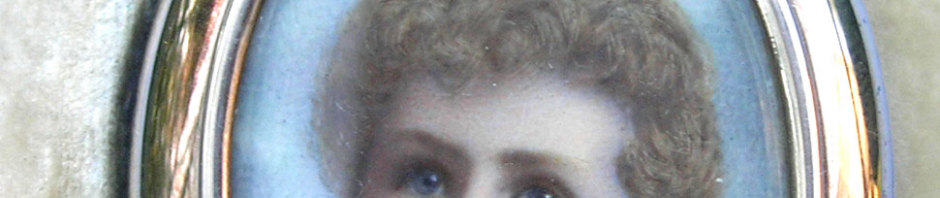
The Edwardian Era, 1901 to 1910, was one of the primary catalysts to end the mourning industry. When I reference the industry of mourning, this does not mean that there was a time when mourning had ended as a concept, but the industry of standardised fashion to facilitate and generate money from grief. Queen Victoria… Continue reading A Mourning Tour: An Edwardian Miniature c.1910