Personal identity and representing the family in jewellery and objects is as much a nationalistic symbol, as it is one of self pride. The rise in popularity of the miniature portrait has a direct line to royal patronage and suits the changing value of the upper class. With the Renaissance offering a new way of… Continue reading Overview of Mourning Miniture Portraits
Tag: Ivory
Mourning Jewels: How They Were Worn, Part 2
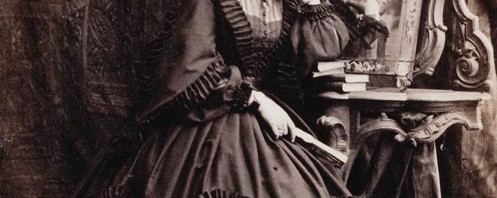
The wearing of 18th century mourning jewellery set the template for numerous revivals through to the 20th century. The 19th century was the catalyst to popularise the mourning industry so much so that it created its own industry and became a part of popular fashion. Much of our modern understanding of Western religious and social ceremony comes from these periods, expanding… Continue reading Mourning Jewels: How They Were Worn, Part 2
The Chatelaine, Function and Sentimentality
Tokens of affection aren’t simply baubles that are transient, they are often useful accessories that hold a memory within their daily function. By the 18th century, there was enough development of production and industry to facilitate a working class and their objects of daily use. In this cut-steel and sepia chatelaine, the elements of love and… Continue reading The Chatelaine, Function and Sentimentality
Death at Sea: Mourning Jewellery and Nationalism

Being lost at sea strikes an image of loss and departure that evokes the very essence of sadness. In the very literal sense, there is the loss of the body that prevents the kind of closure that physical remains offer. Yet, in terms of symbolism, the loss of the soul is the same as that of the body,… Continue reading Death at Sea: Mourning Jewellery and Nationalism