Personal identity and representing the family in jewellery and objects is as much a nationalistic symbol, as it is one of self pride. The rise in popularity of the miniature portrait has a direct line to royal patronage and suits the changing value of the upper class. With the Renaissance offering a new way of… Continue reading Overview of Mourning Miniture Portraits
Tag: Painting
Neoclassical Mourning Locket & Royalty, 1821
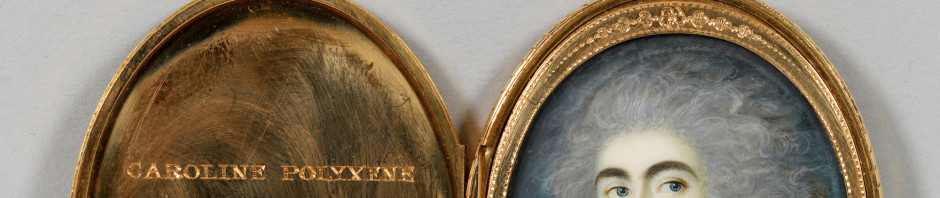
Having privilege in wealth is not required for mourning jewels, but it certainly helps. The range of quality in bespoke jewels is only limited by resource accessibility and wealth. For royalty, the quality tends to be of the highest level and these are the best jewels to identify for their specific time and age. This… Continue reading Neoclassical Mourning Locket & Royalty, 1821
Mourning Jewels: How They Were Worn, Part 2
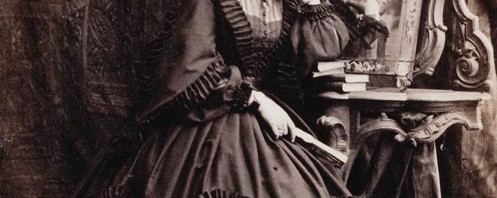
The wearing of 18th century mourning jewellery set the template for numerous revivals through to the 20th century. The 19th century was the catalyst to popularise the mourning industry so much so that it created its own industry and became a part of popular fashion. Much of our modern understanding of Western religious and social ceremony comes from these periods, expanding… Continue reading Mourning Jewels: How They Were Worn, Part 2
Skulls, Rings, the 19th Century… What We Must Ask
The skull in depiction is a good way of understanding whether or not a mourning jewel is all it claims to be. As a collector, one has to be careful that there is no room for error when buying a piece, this is often overlooked, as many pieces can interest just due to their beauty… Continue reading Skulls, Rings, the 19th Century… What We Must Ask