Part 2 of this webinar deals with the rise of the miniature portrait, from cost to the talented painters. Their depictions of wealthy individuals held hidden messages of love between couples in both life and death.
Tag: Eye Miniature
Mourning Jewels: How They Were Worn, Part 2
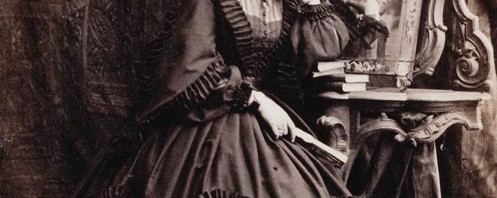
The wearing of 18th century mourning jewellery set the template for numerous revivals through to the 20th century. The 19th century was the catalyst to popularise the mourning industry so much so that it created its own industry and became a part of popular fashion. Much of our modern understanding of Western religious and social ceremony comes from these periods, expanding… Continue reading Mourning Jewels: How They Were Worn, Part 2
An Eye Miniature Mourning Ring, Mary Dean Obt 27 Augt 1794 AEt.73.

Eye portraits are rare and highly sought after, but there is variation between them. In the portrait shown, the setting conforms to the portrait of the eye, but later examples show a tear-drop setting with a black enamel surround. Some also show a down-turned eye. These are not always to be considered mourning pieces, but… Continue reading An Eye Miniature Mourning Ring, Mary Dean Obt 27 Augt 1794 AEt.73.
Georgian Eye Miniature Inside a Pendant, c.1820
For those who haven’t discovered the unique movement of eye portraits, the following tale is essential: Eye portraits are considered to have their genesis in the late 18th Century when the Prince of Wales (to become George IV) wanted to exchange a token of love with the Catholic widow (of Edward Weld who died 3… Continue reading Georgian Eye Miniature Inside a Pendant, c.1820