Connecting the body to death and the physical elements of the body that are relevant to display within the context of death are very specific to the Protestant and Catholic schism. Since Martin Luther proposed a discussion in his Ninety-Five Thesis, or the “Disputation of Martin Luther on the Power and Efficacy of Indulgences” on… Continue reading Bones and Rings
Tag: 17th Century
A Crystal Heart
The heart is the most important element of focus in this pendant, as it is the first identifier for what the jewel represents for the wearer. Being seen from a distance when worn at the neck means that this pendant was clearly a statement of love and affection, which relates back to the relationship status… Continue reading A Crystal Heart
Clasp Hands with an Early Gimmel Ring
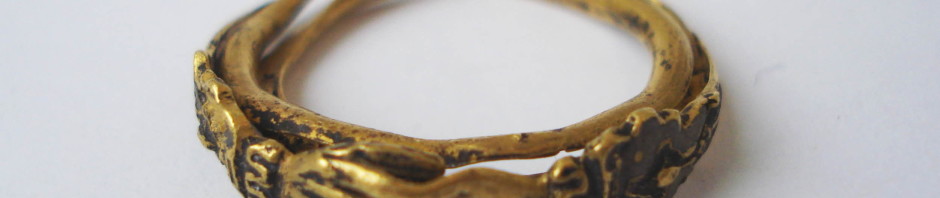
Clasping hands is a universal symbol of a union and trust. Personal connections are forged through the range of time spent together and physical connection, which are both symbols that are represented in mourning and sentimental jewels. Time, or ‘tempus fugit’, is often referenced as the hourglass, showing how time can fly. Physical proximity is… Continue reading Clasp Hands with an Early Gimmel Ring
Mourning Jewels: How They Were Worn, Part 1
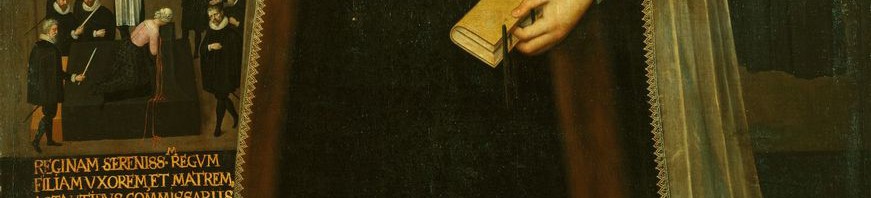
A question as simple as ‘how was a jewel worn?’ leads to the most complex of answers. The narrative of mourning and sentimental jewellery in the modern age is intrinsically interwoven with the growth of industry and newfound access to wealth , along with the emergence of newly-mobile social class. Fashion is rarely, if ever, adopted arbitrarily. The purpose… Continue reading Mourning Jewels: How They Were Worn, Part 1